Yo, folks! I’m a supplier of T1 50KA Surge Protective Devices (SPDs), and you know what? One question I get asked a ton is, "What’s the lifespan of a T1 50KA Surge Protective Device?" It’s a biggie, and let me break it down for you. T1 50KA Surge Protective Device
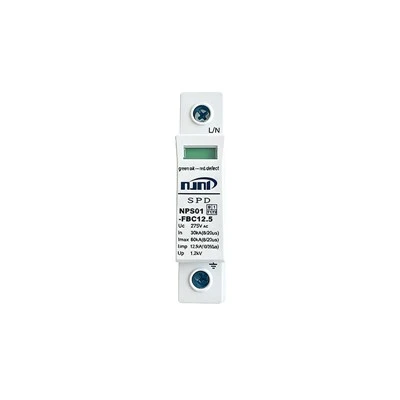
First off, let me give you a quick lowdown on what a T1 50KA SPD is. It’s a crucial piece of kit in protecting electrical systems from nasty power surges. You see, power surges can happen for all sorts of reasons – lightning strikes, switching events in the power grid, or even equipment malfunctions. And these surges can pack a real punch, frying your electronics and causing all kinds of headaches. That’s where our T1 50KA SPDs come in. They’re designed to divert those excess electrical currents safely to the ground, keeping your equipment safe and sound.
Now, back to the lifespan question. There’s no one – size – fits – all answer here. A bunch of factors can affect how long a T1 50KA SPD lasts.
Environmental Conditions
The environment where the SPD is installed plays a huge role. If it’s in a harsh environment, then its lifespan is likely to take a hit.
Temperature
Extreme temperatures can be a real killer. In super – hot conditions, the internal components of the SPD can start to degrade faster. The materials can expand, the electrical properties can change, and over time, this can lead to a loss of performance. On the flip side, really cold temperatures can make the components brittle. For example, if you’re installing an SPD in a desert area where the daytime temperatures can soar above 40°C (104°F), or in a high – altitude or Arctic region where it gets well below freezing, you’ve got to be aware that the lifespan might be shorter compared to a more temperate environment.
Humidity
High humidity is another problem. Moisture can seep into the SPD, causing corrosion of the internal parts. This can disrupt the electrical paths and reduce the effectiveness of the device. If you’re placing an SPD in a coastal area or a manufacturing plant with high levels of steam, you might need to be extra vigilant.
Pollution
Industrial areas with a lot of pollutants in the air are tough on SPDs. Dust, chemicals, and other airborne particles can settle on the surface of the device and gradually make their way inside. This can cause short – circuits or interfere with the proper functioning of the surge – protective elements.
Frequency and Magnitude of Surges
The number of surges and how powerful they are is a major factor. If an area is prone to frequent lightning strikes or has a lot of electrical equipment that causes switching surges, the SPD is going to take a beating.
Lightning – Prone Areas
In regions where thunderstorms are common, like the tropics or areas known as "lightning alleys," the SPD will be exposed to a higher frequency of surges. Each lightning – induced surge is a high – energy event that the SPD has to handle. Over time, these repeated stressors can wear out the components. For instance, in Florida, which has a high incidence of lightning, SPDs can experience a shorter lifespan compared to areas with fewer thunderstorms.
Industrial Settings
Industrial facilities often have a lot of large electrical equipment that can cause switching surges when they turn on and off. These surges might not be as powerful as lightning surges, but the frequency can be high. Motors, transformers, and other heavy machinery can create a continuous stream of small to medium – sized surges that gradually degrade the SPD.
Quality of the SPD
This one is kind of a no – brainer. The quality of the materials and the manufacturing process really matter.
Materials Used
High – quality SPDs are made with top – of – the – line materials. The varistors (the key components that absorb and dissipate the surge energy) in a good – quality SPD are made from high – purity materials. These materials can withstand more surges and higher currents without degrading quickly. Cheaper SPDs, on the other hand, might use lower – grade materials that start to break down after just a few surges.
Manufacturing Standards
A well – made SPD is manufactured to strict standards. The assembly process should be precise, with proper insulation and connections. If there are any flaws in the manufacturing, like poor soldering or improper sealing, it can lead to premature failure of the device.
Maintenance and Monitoring
How you take care of your SPD also affects its lifespan.
Regular Inspections
It’s important to check your SPD regularly. Look for any signs of physical damage, like cracks or discoloration. A visual inspection can often catch problems early on. You can also use specialized testing equipment to check the electrical performance of the SPD. For example, you can measure the insertion loss, an indication of how well the SPD is blocking unwanted high – frequency signals.
Monitoring Systems
Some modern SPDs come with built – in monitoring systems. These can send alerts when the device is approaching the end of its useful life or when it has been damaged by a surge. This allows you to replace the SPD before it fails completely, protecting your electrical system.
So, with all these factors in mind, what’s the typical lifespan of a T1 50KA Surge Protective Device? On average, in a normal environment with a moderate frequency of surges and proper maintenance, an SPD can last anywhere from 5 to 10 years. But in a harsh environment or an area with a high incidence of surges, it might only last 2 to 5 years.
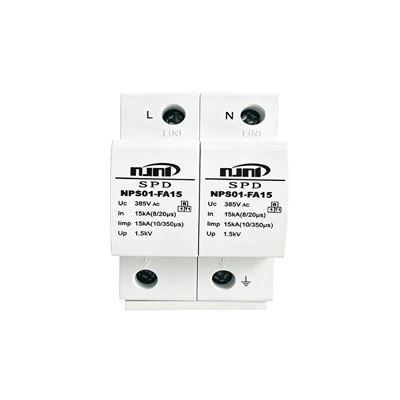
It’s important to note that just because an SPD has reached the end of its expected lifespan doesn’t mean it will suddenly stop working. It might start to lose effectiveness gradually. That’s why regular monitoring is so crucial.
T1+T2 12.5KA Surge Protective Device If you’re in the market for a T1 50KA Surge Protective Device, or you’re looking to replace an old one, I’m here to help. I’ve got a great selection of high – quality SPDs that are built to last. Whether you’re in a residential, commercial, or industrial setting, I can find the right solution for you. Don’t let power surges ruin your day – get in touch with me to discuss your needs and let’s find the perfect SPD for your electrical system.
References
- "Surge Protection Devices: Principles and Applications" by some well – known electrical engineering experts.
- Industry reports on the performance and lifespan of surge protective devices from leading electrical research institutions.
Nanjing Ningpu Lightning Protection Equipment Manufacturing Co., Ltd.
As one of the most professional T1 50ka surge protective device manufacturers and suppliers in China, we’re featured by quality products and good price. Please rest assured to buy customized T1 50ka surge protective device made in China here from our factory. Also, pricelist is available.
Address: Building 1, No.20 Shengyuan Road, Lishui Economic Development Zone, Nanjing City, Jiangsu Province, China
E-mail: 3796023563@qq.com
WebSite: https://www.npspd.com/
