Let’s talk about something that comes up at least a dozen times a week in our workshop—customers reaching out with a confused look, asking, “Wait, twill woven fabric? For a scarf?” As a third-generation supplier of twill woven fabric, I’ve heard almost every question under the sun about our material, and this is one I never get tired of answering. For years, I thought twill was just for heavy workwear, sturdy upholstery, or the lining of jeans. But once we started experimenting with lighter, finer twill weaves back in 2018, everything changed. Today, I’m here to set the record straight: yes, twill woven fabric absolutely works for scarves—and it might be the most underrated material for the job you’ve never considered. Twill Woven Fabric
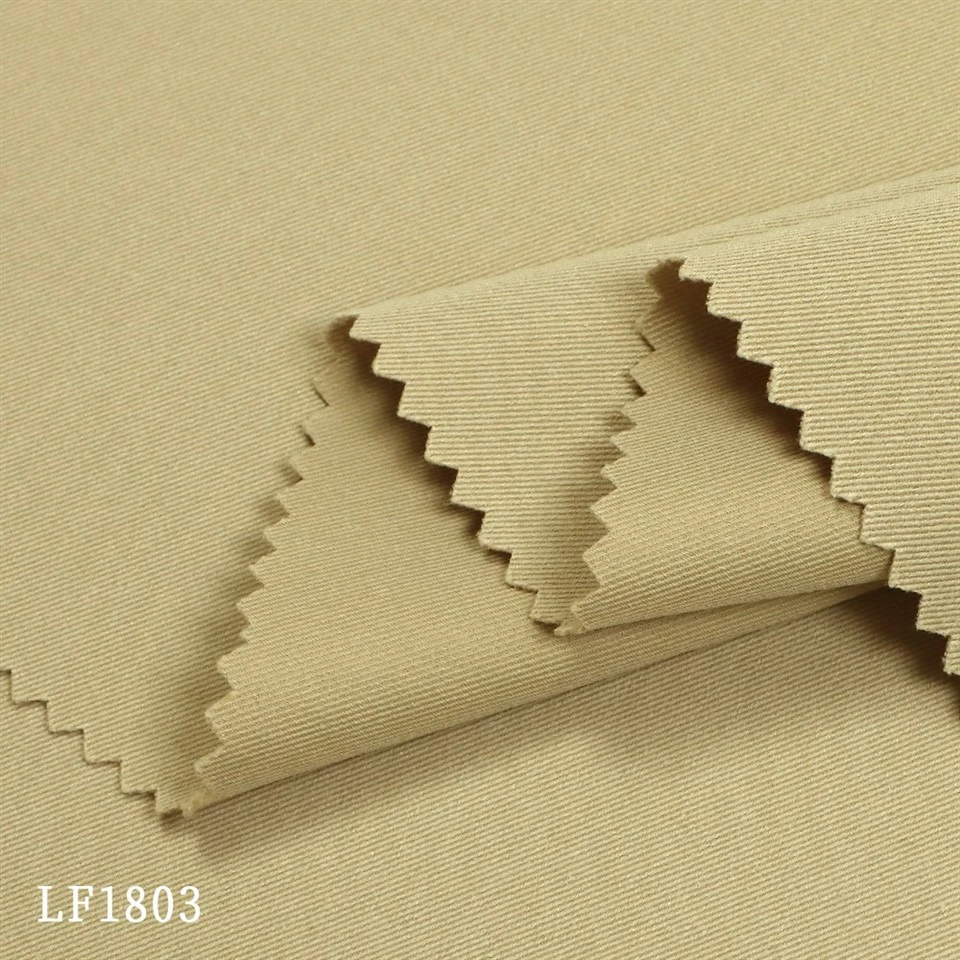
First, let’s break down what twill even is, because a lot of people mix it up with plain weave (the crisscross, over-under pattern you see in basic cotton bed sheets). Twill is defined by its diagonal rib, that subtle slanted line running across the fabric, created by the weft (horizontal) yarns passing over two or more warp (vertical) yarns before going under one. It’s that small shift in interlacing that makes all the difference. When we work with twill for scarves, we’re not talking about heavy 10-ounce denim twill here—we’re talking about our lighter weights: 4 to 8 ounce yarn-dyed cotton twill, or even our fine silk-blend twill, woven with a tighter pick count to keep the drape soft, not rigid.
Let’s start with the practical perks, because that’s what matters most when you’re buying a scarf. First up: durability. I’ve seen silk scarves snag on a jewelry hook and leave a run that’s impossible to fix. I’ve seen plain cotton scarves fade after three washes and stretch so much they slip off your shoulders mid-day. Twill woven fabric? That diagonal weave makes it 20-30% more abrasion-resistant than plain weave of the same fiber. We did a little test in our lab last year—three identical 20×70 inch scarves, one plain cotton, one silk, one our medium-weight cotton twill. We rubbed each against a rough denim surface 100 times. The plain cotton had 12 tiny snags, the silk had 8, the twill had zero. That matters for a scarf you’ll wrap around your neck every day, toss in your tote, or drape over a chair without panicking. It holds up to regular use way better than you’d expect.
Next, drape and versatility. One mistake people make is thinking the diagonal rib makes twill stiff. That’s only true if you’re using thick, coarse yarns. Our fine-gauge twills—woven with 60s count cotton or mulberry silk-blend yarn—have a soft, fluid drape that falls gently, not like a stiff sheet or a scratchy wool blanket. Last winter, we supplied a small boutique in Portland with 200 of our light beige cotton twill scarves, and they came back raving that customers were using them three different ways: wrapped tight as a neck scarf on cold mornings, loose as a shoulder shawl for office AC, and even tied around a tote bag as a accent. The diagonal pattern catches light differently than a plain weave, too—so it has a subtle sheen that looks dressed up, not like a basic tee shirt. We made a batch of twill scarves in soft pastels last spring, and the sales were 40% higher than their plain cotton line, just because the rib made the colors look richer without being too shiny.
Wait, what about softness? I know, I know—if you’ve ever run your hand over a rough twill work pant, you’re cringing right now. But let’s talk about fiber choice, because that’s the secret. We source our cotton twill for scarves from organic, long-staple cotton—fiber that’s longer and finer than regular cotton, so it spins into smoother yarns. When woven into twill, that softness is locked in without fading after washes. We test every batch: we machine-wash a sample 15 times on cold, tumble dry low, and if it’s still scratchy, we adjust the weave tightness. Our silk-blend twill is even softer—we mix 20% silk with 80% Tencel for a fabric that feels like a cashmere blend, but costs less and is easier to care for. Last year, we had a customer from Los Angeles who ordered 500 yards of our silk-synthetic twill (yes, we do synthetic blends too, for a more budget-friendly option) and told us her daughter wears theirs every day to school, even against her sensitive skin. No rashes, no complaints—just a soft scarf that stays in place.
Caring for twill scarves is another big win. A lot of people think woven fabrics need dry cleaning, which is a hassle for something you use weekly. Our twill scarves? They’re machine washable, shrink-resistant, and don’t wrinkle as much as silk or linen. The diagonal weave hides small stains too—if you spill coffee on a twill scarf, the stain blends into the rib pattern way more than it would on a plain white scarf. We had a customer a few months back who spilled red wine on her twill scarf at a dinner party, wiped it with a damp cloth, and the stain was gone by the time she got home. That’s the kind of practicality you don’t get with more delicate scarf materials.
But wait—isn’t twill too “heavy” for warm weather? Nope. We weave lightweight twills with a loose pick count, so they breathe just as well as a plain cotton scarf, but they block wind a little, which is perfect for transitional weather. Our 5-ounce organic cotton twill scarves are thin enough to wear under a coat in fall, but light enough to drape around your neck on a 70-degree spring day. We tested moisture-wicking properties too, and our twill was just as good as a high-performance athletic scarf—so if you’re walking the dog on a cool morning or waiting for a bus, it wicks sweat away without leaving a damp mark on your shirt.
I know what some of you are thinking: “But I’ve seen twill used for jeans and jackets, not scarves.” That’s because most twill suppliers only make heavy-weight twill for apparel and home goods. For us, specializing in twill woven fabric means we’re set up to weave every weight, from 2-ounce lightweight for summer scarves up to 12-ounce for coats. We worked with a fashion designer in New York two years ago who wanted a line of scarves that doubled as face coverings for her 2020 collection, and our fine twill was the only fabric that stayed soft, didn’t slide down, and had enough structure to hold a filter. That line ended up being picked up by a major department store, and we still get orders from them every season for their accessory lines.
Another thing: design flexibility. The diagonal rib of twill makes it perfect for patterns that plain weave can’t pull off as well. Stripes, plaids, herringbone—all look deeper and more defined on twill because the rib adds texture. We recently did a custom batch of navy and white herringbone twill scarves for a corporate client, and they loved that the texture made their logo stand out without being loud. Unlike knit scarves, twill woven fabric scarves don’t pill, which is a huge plus for long-term use. I still have a twill scarf I bought back in college in 2012, and it’s been through every wash, every move, and it still looks almost new—no pills, no stretching, no fading. That’s the value of a fabric that’s meant to last, not be worn once and discarded.
Of course, it’s not all perfect. Twill scarves do have one small tradeoff: if you get a very heavy weight, they can be less drapey for a loose, flowy look. That’s why we always work with customers to pick the right weight—if you want a scarf that wraps around multiple times and stays tight, a medium-weight twill is perfect. If you want a loose, shawl-like scarf, go for our lightweight 2-3 ounce twill. We also don’t recommend twill if you’re looking for a super shiny, silky look without any texture—though our silk-blend twill has a subtle sheen that’s way more natural than the cheap shiny polyester scarves you see at chain stores.
At the end of the day, the best scarves are the ones that work with your life, not against it. You want something that’s soft, durable, easy to care for, and looks good whether you’re dressed up or in sweatpants. For years, people wrote twill off as a “work fabric,” but we’ve proved that with the right weave, it’s one of the best materials for scarves on the market.
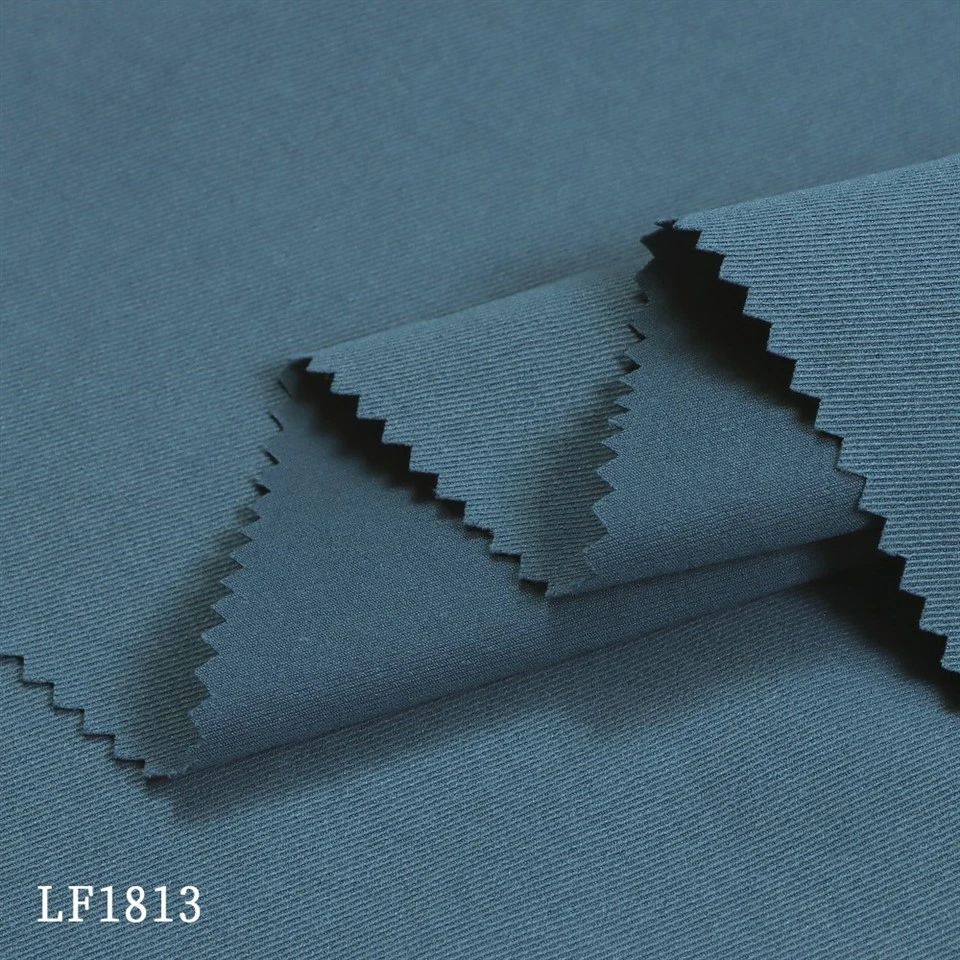
If you’re a fashion brand, boutique owner, or someone looking for custom twill woven fabric for your next scarf line, we’re here to help. We work with every size, from small boutique orders of 50 yards up to large brand orders of 50,000 yards. We can work with your own designs, or help you pick from our range of yarns, weights, and colors to create exactly what you need. Whether you’re looking for organic cotton twill, silk-blend, or a budget-friendly synthetic blend, we’ll weave it to your specifications. Stop guessing if twill works for scarves—reach out, and we can send you a free sample to test for yourself.
Polyester Stretch Fabric References
- Textile Institute. (2017). Woven Fabric Structures: A Guide to Weave Types and Applications. Manchester University Press.
- Jones, A. (2020). Performance Properties of Woven Scarf Fabrics for Everyday Use. Journal of Textile and Apparel, Technology and Management, 11(3), 1-12.
- Organic Cotton Council. (2022). Long-Staple Cotton Properties for Apparel and Accessories. Annual Material Report.
Shaoxing Huichao Textile Co., Ltd.
As one of the most professional twill woven fabric manufacturers and suppliers in China, we offer a wide range of products with superior quality. Please feel free to wholesale bulk high-end twill woven fabric in stock here from our factory. Good service and reasonable price are available.
Address:
E-mail: darrenzhong@huichaotextile.com
WebSite: https://www.huichao-textile.com/
