Hey there, Induction Heating Power Supply
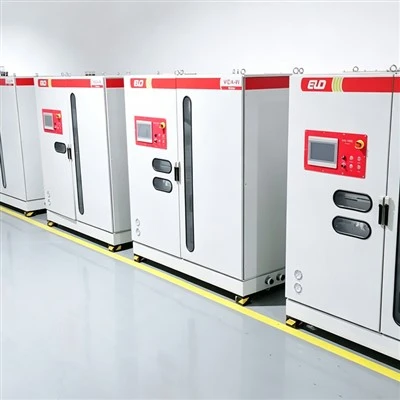
If you’re in the market for induction heating power supplies, you’ve probably noticed two main types out there: single-phase and three-phase. As a supplier who’s been working with these units for years, I get how confusing the installation side can be—especially if you’re not an electrician by trade. A lot of folks call me up wondering why one works for their shop and the other doesn’t, and it all boils down to how you wire ’em, set ’em up, and prep the space. Let’s break down the real differences, no jargon fluff, just what you actually need to know to get your unit up and running without headaches.
First off, let’s start with the basics: single-phase vs. three-phase power. Most small workshops, garages, or hobbyist setups run on single-phase power—it’s the one outlet you plug your fridge or power tools into, right? It’s a single alternating current (AC) wave, so the power flow goes one way then the other 50 or 60 times a second, depending on where you are. Three-phase, though, is what bigger factories or heavy equipment run on—it’s three separate AC waves, each offset by 120 degrees, so power’s way more consistent and can handle way more load. That core difference alone changes everything when you’re installing the power supply.
Let’s talk power input requirements first, because that’s the first big hurdle. For a single-phase induction heating power supply, you don’t need any special infrastructure beyond what you already have at your shop—usually a standard 240V or 120V outlet, depending on the unit’s wattage. Wait, but don’t just plug a 5kW unit into a 15A outlet—do your math. I’ve seen guys try that and blow a breaker before the coil even heats up. Single-phase units draw their full current on every half-cycle, so the peak current is way higher than three-phase for the same total wattage. For example, a 10kW single-phase unit might pull 41.7A at 240V, whereas a 10kW three-phase unit only pulls ~24A at the same voltage. That means for single-phase, you need a circuit breaker, wiring, and outlet that can handle that peak current without tripping. No fancy utility upgrades required, which is why these are popular for small jobs—like heat treating a small metal part, soldering fittings, or shrink fitting bearings in a repair shop.
Three-phase is a different story here. If your shop doesn’t already have three-phase power coming in from the grid, you’ll need to get that installed first. That’s not just swapping a breaker—it’s hiring an electric utility to run dedicated lines to your space, which can cost a pretty penny and take a few weeks. But once you have it, the wiring for the power supply is simpler in some ways: three wires (plus a ground, always a ground) instead of two hot wires for single-phase. The current is spread across those three phases, so no weird peak draw that trips breakers every time you fire up the unit. I always tell customers: if you’re running a high-volume shop, like forging parts or heating large billets, three-phase is non-negotiable because you can run multiple units off the same power feed without overloading it.
Next up, the installation space and unit size. Wait, you might not think that’s an installation difference, but hear me out. Single-phase induction power supplies are way smaller and more compact. They’re built for smaller loads, so you can tuck them on a shelf, mount them on a wall, or even roll them on a cart if you need to move the unit between jobs. No need for extra ventilation because they don’t generate as much excess heat—single-phase units are more sensitive to voltage dips, but they run cooler under normal use. Three-phase units, though, have bigger transformers and power modules to handle the higher load, so they’re bulkier. You’ll need a dedicated, flat surface with at least a few inches of clearance around all sides for airflow—they run hotter because of the continuous, higher power output, and if you don’t vent them right, they’ll shut down mid-job to protect themselves. I’ve had a customer last year who tried shoving a 20kW three-phase unit in a corner with no vents; it died after three months because of overheating, and we had to redo the installation with a proper exhaust fan. Lesson learned there.
Wiring specifics are where a lot of DIYers mess up, and that’s the second biggest difference. For single-phase induction power supplies, you have two hot conductors (L1 and L2) plus a separate ground wire. Some small units even use a neutral, but that’s mostly for 120V models. The key here is that the hot wires can’t cross, and the breaker has to be a double-pole breaker—don’t use two single-pole breakers, that’s a fire hazard. I always supply a quick wiring diagram with every unit, but I still see people mix up L1 and L2 and end up with a unit that runs super hot or won’t power on. Also, single-phase is more sensitive to wire gauge—if your run from the breaker panel to the power supply is over 50 feet, you need thicker wire to avoid voltage drop, because that peak current will make the voltage drop worse over long distances.
Three-phase wiring is way more straightforward for electricians, but it’s easy to get wrong if you don’t know what you’re doing. You have three hot wires (L1, L2, L3) plus a ground, no neutral needed for most three-phase induction units. The breaker is a triple-pole, obviously. The big thing here is phase sequence—if you wire the phases out of order, some units will reverse direction, which doesn’t matter for most induction heating, but a few specialized ones (like for induction melting) will have issues. I always tell electricians to test the phase sequence with a multimeter before powering up, that’s a step almost no one skips, and it saves a lot of headaches later. Also, because three-phase spreads the load, voltage drop is way less of an issue—you can run three-phase power supply wire twice as far as single-phase without needing to go thicker, which is a huge plus for large setups.
Now, utility and grid compatibility. Single-phase power is the standard for residential and small commercial spaces, so almost every utility provides it at 120V or 240V. If you’re in a space that doesn’t have three-phase, you might even need a phase converter to run a three-phase unit, which is an extra cost and adds another piece of equipment to your installation. I’ve seen customers buy a 15kW three-phase unit, then drop $1,500 on a phase converter just to get it running in their garage—something they didn’t account for. That’s a big hidden cost I always make sure to mention. On the flip side, three-phase utilities are standard in industrial zones, so if you’re running a factory with multiple machines, you probably already have it, and you won’t need any converters or extra gear.
Another thing: installation time. Single-phase units are a breeze for an experienced electrician to install—usually a couple of hours, max, especially if you already have a compatible circuit. Three-phase installations can take a day or two, sometimes more, if the power isn’t already there. You have to coordinate with the utility company, wait for them to run the lines, install the meter, then wire the unit. That’s a huge factor if you’re in a hurry to get a production line up and running. I’ve had small fabrication shops call me panicking because they need a unit for a one-time job, and I end up sending a single-phase unit because a three-phase install would take too long.
Wait, let’s not forget about safety features during installation. Both types have safety locks and ground fault protection, but single-phase units have smaller internal components, so you have to be more careful not to pinch wires when mounting them. Three-phase units have larger, high-voltage capacitors, so you have to discharge them before working on the wiring—if you don’t, that shock can be way more dangerous than single-phase. I always remind any customer doing their own install (I don’t recommend it, but some folks try) to never work on three-phase units without discharging the capacitors first. That’s a mistake I’ve seen way too many times, and it’s not worth the risk.
Now, what about when you’d pick one over the other for installation? If you’re a small business, hobbyist, or doing low-wattage jobs (under 15kW), single-phase is the way to go because you don’t have to upgrade your power, install time is short, and it’s cheaper overall. If you’re running high-volume, high-wattage jobs (15kW and up), or have multiple induction heating machines, three-phase will save you money in the long run because you don’t have to handle peak currents, and you can power multiple units off the same feed without overloading. Just make sure you already have three-phase power, or factor in the cost of a converter or utility upgrade.
I know this is a lot, but the biggest takeaway I want you to remember is: don’t just look at the unit’s price tag. Installation costs—both upfront (circuit upgrades, wiring, phase converters) and hidden (time, downtime from mistakes)—are way bigger for three-phase if you don’t already have the infrastructure. I’ve had customers come to me after buying a cheap three-phase unit online, only to realize they can’t install it, and end up paying twice as much as they would have for a properly sized single-phase unit that fits their space.
If you’re not sure which one is right for your setup, or you need help figuring out the installation requirements for your shop, don’t hesitate to reach out to chat through the details. We’ve helped hundreds of customers navigate the install process, from small hobby garages to large industrial facilities, so we know the ins and outs of both types.
Induction Heating Power Supply References
- Induction Heating Association. (2022). Installation Guidelines for Low-Power Induction Heating Power Supplies.
- National Electrical Manufacturers Association (NEMA). (2021. Power Distribution Requirements for Single vs. Three-Phase Industrial Equipment.
- Occupational Safety and Health Administration (OSHA). (2020). Electrical Safety for Industrial Induction Heating Systems.
Hebei Yuantuo Electromechanical Equipment Manufacturing Co., Ltd.
As one of the most professional manufacturers and suppliers of induction heating power supply in China, our products have good reputation in the market. Please rest assured to buy advanced equipment made in China here and get quotation from our factory. Customized orders are welcome.
Address: Yanshan Street West and Jialingjiang Road North, Economic and Technological Development Zone, Wuqiao County, Cangzhou City, Hebei Province, China
E-mail: yuantuotech01@gmail.com
WebSite: https://www.yuantuoem.com/
