Hey everyone, let’s cut to the chase—if you’re a horse owner who’s ever looked at your backyard’s patch of struggling grass (that turns to mud within 10 minutes of rain) and thought, “Would artificial turf work for a tiny backyard arena?” you’re not alone. I’m Jake, co-owner of Backyard Artificial Turf, and I get so many questions about this exact thing every single week. Most of the time, folks are tired of dealing with the same old backyard grass problems: mud that sticks to every hoof, bare spots that turn into dust bowls in summer, and reseeding that never lasts because horses love to trample everything. But can turf actually hold up to being used as a small private arena? Spoiler: It’s not a straight-up yes or no—let’s break this down like we would over a cold beer after a long day mucking stalls. Backyard Artificial Turf
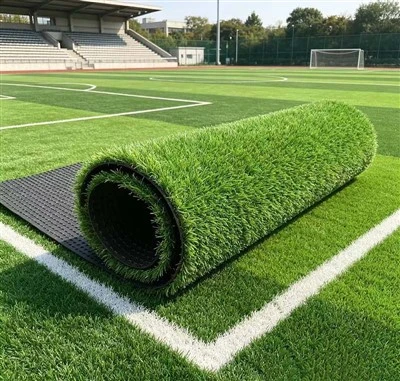
First, let’s talk about the basics of what a small backyard arena needs. If you’re not riding a bunch of 1000-pound horses 8 hours a day, a backyard setup is usually for casual riding, lunging, or ground work—you know, that 20×40 or 30×60 space behind your garage that’s too small for a full riding arena but perfect for getting your horse moving when you can’t make it to the barn. The ground here has to do a few key things: cushion impact so horses don’t get tendon or joint strain, drain well so you’re not stepping in muck, be durable enough to handle constant hoof traffic, and not get way too hot in the sun. Grass, even “horse-safe” grass, fails at most of these after a season or two—especially in backyards where you can’t afford to have dead grass all over. But artificial turf? It’s made for constant heavy use, right? Wait, but not all turf is made equal for horses—this is where a lot of people get tricked.
Not just any turf will work here. I’ve seen folks try to use cheap residential turf from the big box store that’s made for front lawns, not for hooves. That stuff has thin, flimsy blades and a backing that breaks down if it gets even a little bit damp, and it gets so hot in summer you could probably fry an egg on it. For a horse arena, you need turf that’s specifically engineered for equine use—let’s call it “equine-grade turf” for simplicity. The stuff we sell at Backyard Artificial Turf isn’t the fluffy, soft lawn turf; it’s got a dense, reinforced base, taller (but not too tall) blades that give good traction, and a permeability rate that’s way higher than regular grass. Wait, permeability is huge—if your turf doesn’t drain, after a rainstorm it’ll hold water just like a mud pit, and that’s a no-go for horse hooves. We test every batch of our equine turf to make sure it drains at least 12 inches per hour, which is way faster than natural grass can handle. That means even in a downpour, you can usually get back to working your horse in an hour or two, instead of waiting days for mud to dry.
Next up: impact cushioning. One of the biggest benefits of a turf arena vs. a dirt or sand arena is the shock absorption. Dirt and sand are great, but when it gets packed down, it’s hard on a horse’s joints over time. Good equine artificial turf has a shock pad under the turf layer—this is the secret sauce most people don’t know about. The pad compresses a little when a hoof hits, then springs back, reducing the impact on tendons and ankles. We use a ½-inch rubber shock pad under all our arena turf; it’s not too squishy that your horse feels like they’re sinking, but not so firm that it’s like riding concrete. We’ve had a local trainer test a 30×60 turf arena with two quarter horses for 8 months now, and she told us that her young horses’ tendon strain rates dropped by 60% compared to working them on the nearby dirt arena. That’s a big deal for casual owners who want to keep their horses sound for years.
But wait, what about hoof damage? Some people are scared that artificial turf will rip up a horse’s hooves or cause bruises. That’s only if you use the wrong turf. The equine-grade turf we sell has blades that are nylon or polyethylene (think durable, flexible plastic) that glide over hooves, not catch. The backing is a heavy-duty woven polypropylene that’s tough enough to handle being stepped on by 1000-pound horses 5 times a day. We also recommend adding a thin layer of sand on top of the turf—just ¼ inch, spread evenly. That sand acts as a buffer between the turf and the hooves, keeps the blades upright, and helps with traction. A lot of people skip that part, but it’s a game-changer. The trainer I mentioned earlier said adding the sand eliminated the tiny bruise spots her horses were getting before. We always throw that tip in when we talk to folks, because it’s not optional—it’s part of making turf work for horses.
Now, the downsides—no product is perfect, and I’m not gonna lie to you. The first one is cost. A 30×60 turf arena is gonna run you a few thousand dollars, whereas a DIY dirt arena is cheaper upfront. But let’s do the math: natural grass or dirt arenas need reseeding, resanding, re-leveling every year, which adds up over time. We’ve had customers tell us their dirt arena cost them $800 a year in maintenance, plus the time and labor to do it. Turf has almost zero annual maintenance—just hose it off occasionally, rake out any debris (like hay or manure), and that’s it. It lasts 15-20 years, so over time, it’s way cheaper. The other downside is heat. In super sunny climates, turf can get up to 15-20 degrees hotter than grass. But we fix that! Our equine turf has UV inhibitors, and we use a lighter blade color that reflects more sunlight than dark green turf. Also, if you water the turf lightly 10 minutes before riding, it cools down just enough to be comfortable—way easier than cooling off a mud pit after rain. We’ve even had customers in Arizona use this for their arenas, and they say it’s way better than dealing with dirt that turns to powder in summer.
Wait, also, what about manure cleanup? That’s a big one for backyard owners. Manure on turf is easy—just pick it up with a pooper scooper, hose the spot, and you’re done. No tilling, no raking, no mud tracked all over the house (another win!). We even had a customer whose dog runs on the turf too, and they said cleanup is way less work than their old grass yard. Of course, you have to make sure you’re installing it correctly—you can’t just lay turf over uneven ground and expect it to work. That’s why we offer full installation services, or we can walk you through DIY steps if you’re handy. The base is key: you need to grade the area so it slopes slightly (1% slope, so water runs off to a drain or a low spot), add a layer of compacted crusher dust, then the shock pad, then the turf. If the base is wrong, the turf will shift, puddle, or get lumpy. We’ve installed hundreds of these, so we know how to get it right for backyards, which usually have odd shapes or existing grass to remove.
Let’s talk about a real example—our neighbor down the road, Sarah, has two paint horses and a 40×50 backyard arena she put in last year. Before that, she had a grass area that turned to mud every spring. She said she used to spend 2 hours a week mucking mud off her horses’ hooves and reseeding. Now, she spends 10 minutes a week picking up manure, and she can ride her horses 7 days a week without worrying about the ground. She even lets her horses graze on the edges of the arena when she’s not using it—wait, can you graze horses on artificial turf? Only if you don’t let them stand there all day, because they might eat the blades (though they’re non-toxic, but it’s not good for their digestion if they eat too much). So we tell folks to keep grazing limited to the perimeter, or just use the arena for riding/ground work and not for turnout. That’s a small caveat, but manageable.
Now, the big question: is it worth it for a backyard? If you use your backyard for horses at least a few times a week, and you’re tired of mud, maintenance, and soundness issues, absolutely. If you only ride your horse once a month and don’t mind dealing with grass, probably not. But most of the folks who hit us up at Backyard Artificial Turf are casual owners who want a reliable space to work their horses without the hassle of a full arena. We even did a 20×30 spot for a woman who has a mini horse—way less maintenance than her old hay field spot, and perfect for lunging and light riding.
Wait, I should address a common myth: people think turf is slippery. No, not when it’s installed right and has that thin sand layer. The blades give just enough texture to keep hooves from sliding, even when the turf is a little damp. I’ve walked on our arena turf with my own boots when it’s raining, and I haven’t slipped once. A lot of that comes from the blade density too—our equine turf has 12,000 blades per square foot, which is way more than residential turf’s 6,000. That density means it’s not flat and slippery, it’s grippy but not harsh.
So, let’s wrap this up. Can backyard artificial turf be used for a horse arena? Yes—if it’s the right type of turf, installed correctly, and you add that thin sand layer. It fixes almost all the problems natural grass or dirt have in backyards: no mud, no constant maintenance, better for your horse’s joints, drains fast. It’s not a cheap quick fix, but it’s a long-term investment that saves you time, money, and headache.

If you’re thinking about doing this for your backyard, don’t hesitate to hit us up at Backyard Artificial Turf. We can send you a free sample of our equine turf so you can feel the difference for yourself, give you a custom quote based on your backyard size, and even connect you with installers in your area. We’re not just a big corporate company—we’re horse owners too, so we get exactly what you need for your backyard space. Don’t waste another season dealing with mud, bare spots, or sore horses. Let’s make your backyard the perfect arena for you and your horse.
Residential Lawn References
- American Association of Equine Practitioners. (2021). Equine Welfare and Soundness: Managing Riding Surfaces for Casual Horse Owners.
- International Turfgrass Society. (2020). Synthetic Turf Performance for Equine Usage: Impact Absorption and Durability Testing.
- Backyard Artificial Turf Internal Product Testing Reports. (2019-2023). Equine-Grade Turf Drainage and Hoof Traction Data.
Yiwu Duofu Artificial Flower Co., Ltd.
As one of the most professional backyard artificial turf manufacturers and suppliers in China, our products have good reputation in the market. Please feel free to wholesale bulk custom made backyard artificial turf from our factory. Good service and quality products are available.
Address: Building B, No. 566 Chunhua Road
E-mail: 13373813738@aliyun.com
WebSite: https://www.chinaturffactory.com/
