Hey there! As a supplier of HDPE Pipe Machines, I get asked a lot about how to select the appropriate mold for these machines. It’s a crucial decision that can significantly impact the quality, efficiency, and cost of your pipe production. So, let’s dive right in and break down the key factors you need to consider when choosing the right mold for your HDPE Pipe Machine. HDPE Pipe Machine
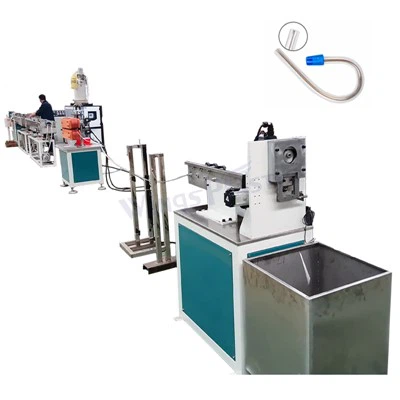
1. Pipe Dimensions
The first thing you gotta think about is the dimensions of the pipes you want to produce. HDPE pipes come in a wide range of sizes, from small-diameter pipes used in residential plumbing to large-diameter pipes for industrial applications. You need to know the exact outer diameter (OD), wall thickness, and length of the pipes you plan to make.
For example, if you’re making pipes for a water supply system, you might need pipes with an OD of 50mm to 300mm. On the other hand, if you’re working on a large-scale infrastructure project, you could be looking at pipes with an OD of 600mm or more. Make sure the mold you choose can handle the specific dimensions you need.
2. Pipe Type
HDPE pipes can be classified into different types based on their application and performance requirements. Some common types include solid-wall pipes, corrugated pipes, and spiral-wound pipes. Each type requires a different mold design.
Solid-wall pipes are the most common type and are used for various applications, such as water supply, drainage, and gas distribution. They have a smooth outer surface and a consistent wall thickness. Corrugated pipes, on the other hand, have a corrugated outer surface, which provides increased flexibility and strength. They are often used for underground drainage and sewer systems. Spiral-wound pipes are made by winding a continuous strip of HDPE material into a spiral shape. They are commonly used for large-diameter pipes and have excellent mechanical properties.
Make sure you choose a mold that is specifically designed for the type of pipe you want to produce. Using the wrong mold can result in poor-quality pipes and production inefficiencies.
3. Production Volume
Another important factor to consider is your production volume. If you’re planning to produce a large number of pipes on a regular basis, you’ll need a mold that can handle high-volume production. High-volume molds are typically made of high-quality materials and are designed for long-term use. They can withstand the wear and tear of continuous production and provide consistent results.
On the other hand, if you’re only producing a small number of pipes or if you’re testing a new product, you might be able to get away with a lower-cost mold. These molds are usually made of less expensive materials and are designed for short-term use. They can be a good option if you’re on a tight budget or if you’re not sure how much demand there will be for your pipes.
4. Material Compatibility
HDPE is a versatile material that can be used to make a wide range of pipes. However, different grades of HDPE have different properties, and you need to make sure the mold you choose is compatible with the specific grade of HDPE you’re using.
For example, some grades of HDPE have a higher melt flow index (MFI), which means they flow more easily during the extrusion process. These grades require a mold with a larger gate size to allow the material to flow smoothly. Other grades of HDPE have a lower MFI, which means they are more viscous and require a mold with a smaller gate size.
Make sure you consult with your HDPE supplier or a mold manufacturer to determine the best mold design for the specific grade of HDPE you’re using.
5. Mold Quality
The quality of the mold is another important factor to consider. A high-quality mold will produce pipes with consistent dimensions, smooth surfaces, and excellent mechanical properties. It will also last longer and require less maintenance, which can save you money in the long run.
When choosing a mold, look for a manufacturer that has a good reputation for quality. Check their customer reviews and ask for references. You can also ask to see samples of the pipes produced by their molds to get an idea of the quality.
6. Cost
Cost is always a factor when making any purchasing decision. The cost of a mold can vary depending on its size, complexity, and the materials used. Generally, high-quality molds are more expensive than lower-quality molds, but they also offer better performance and longer lifespan.
When considering the cost of a mold, you need to look at the total cost of ownership, which includes the purchase price, maintenance costs, and production costs. A more expensive mold might have a higher upfront cost, but it could save you money in the long run by reducing production downtime and improving the quality of your pipes.
7. Customization
If you have specific requirements for your pipes, such as unique shapes or sizes, you might need a customized mold. Customized molds can be more expensive and take longer to produce, but they can also provide a competitive advantage by allowing you to produce pipes that are tailored to your customers’ needs.
When working with a mold manufacturer to design a customized mold, make sure you provide them with detailed specifications and drawings. This will help them create a mold that meets your exact requirements.
8. After-Sales Support
Finally, don’t forget to consider the after-sales support offered by the mold manufacturer. A good manufacturer will provide you with technical support, training, and maintenance services to ensure that your mold operates smoothly and efficiently.
Make sure you choose a manufacturer that has a responsive customer service team and a comprehensive warranty policy. This will give you peace of mind knowing that you can get help if you encounter any problems with your mold.
In conclusion, selecting the appropriate mold for your HDPE Pipe Machine is a critical decision that requires careful consideration of several factors. By taking the time to evaluate your needs and choose the right mold, you can ensure that your pipe production is efficient, cost-effective, and of high quality.
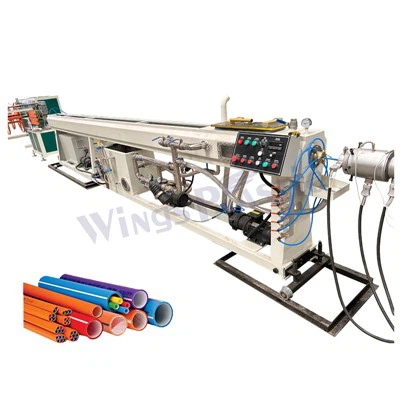
If you’re interested in learning more about our HDPE Pipe Machines or need help selecting the right mold for your production needs, feel free to reach out to us. We’d be happy to discuss your requirements and provide you with a customized solution.
PVC Hose Machine References:
- "Plastic Pipe Extrusion: Principles and Practice" by Michael W. Hyatt
- "Handbook of Plastic Pipe Engineering" by George A. Tomka
Qingdao Wings Plastic Technology Co., Ltd.
As one of the most experienced hdpe pipe machine manufacturers and suppliers in China, we also support customized service. Please feel free to buy durable hdpe pipe machine made in China here from our factory. For price consultation, contact us.
Address: C02 Of Anshengyi Road, No.2 Fuan Industry Zone,Jiaodong Town, Jiaozhou City, Qingdao City, Shandong Province,China
E-mail: kelly@wingsplastic.com
WebSite: https://www.wingsextruder.com/
