Over time, plug valves can experience leakage issues, which not only affect the efficiency of the system but also pose potential safety risks. As a plug valve supplier, I understand the importance of preventing such problems. In this blog, I’ll share some effective strategies to prevent plug valves from leaking over time. Plug Valve

Understanding the Causes of Leakage
Before we delve into prevention methods, it’s crucial to understand the common causes of plug valve leakage. One of the primary reasons is wear and tear. Continuous use of the valve can lead to the erosion of the valve seat and plug surface. This erosion creates gaps through which fluid can seep, resulting in leakage. Another cause is improper installation. If the valve is not installed correctly, it may not seal properly, leading to leaks. Additionally, the quality of the materials used in the valve can also contribute to leakage. Low – quality materials may not be able to withstand the pressure and temperature of the fluid flowing through the valve, causing them to degrade over time.
Regular Maintenance
Regular maintenance is the cornerstone of preventing plug valve leakage. First and foremost, it’s essential to conduct visual inspections on a regular basis. Check the valve for any signs of damage, such as cracks, corrosion, or wear on the plug and seat. A simple visual inspection can often detect early signs of potential leakage.
Lubrication is also a critical aspect of maintenance. Applying the appropriate lubricant to the plug and seat can reduce friction during operation. This not only makes the valve easier to operate but also helps to maintain a tight seal. However, it’s important to use the right type of lubricant. Different fluids and operating conditions require different lubricants. For example, in a high – temperature environment, a lubricant with high – temperature resistance should be used.
In addition to visual inspections and lubrication, it’s necessary to clean the valve regularly. Dirt, debris, and sediment can accumulate inside the valve, which can interfere with the proper sealing of the plug and seat. Use a suitable cleaning agent to remove these contaminants. Make sure to follow the manufacturer’s instructions when cleaning the valve to avoid damaging the components.
Proper Installation
Proper installation is key to preventing plug valve leakage. When installing the valve, ensure that the pipeline is clean and free of debris. Any foreign particles in the pipeline can cause damage to the valve during installation or operation.
The valve should be installed in the correct orientation. Most plug valves have a specific flow direction indicated on the valve body. Installing the valve in the wrong direction can lead to improper sealing and leakage.
It’s also important to use the correct gaskets and seals during installation. The gaskets and seals should be made of high – quality materials that are compatible with the fluid flowing through the valve. They should be installed correctly to ensure a tight seal.
Selecting the Right Valve
As a plug valve supplier, I know that selecting the right valve for the application is crucial. Consider the operating conditions, such as pressure, temperature, and the type of fluid. For high – pressure applications, a valve with a higher pressure rating should be chosen. For corrosive fluids, a valve made of corrosion – resistant materials is necessary.
The size of the valve is also an important factor. An undersized valve may not be able to handle the flow rate, leading to increased pressure and potential leakage. On the other hand, an oversized valve may not provide a proper seal.
Monitoring and Testing
Monitoring the performance of the plug valve is an effective way to prevent leakage. Install pressure and flow sensors to monitor the operating parameters of the valve. Any sudden changes in pressure or flow rate may indicate a potential leakage problem.
Regularly perform leakage tests on the valve. There are various methods for leakage testing, such as the bubble test or the pressure decay test. These tests can help detect small leaks before they become major problems.
Training and Education
Proper training for the operators is essential. Operators should be trained on how to operate the valve correctly, how to perform maintenance tasks, and how to detect early signs of leakage. They should also be aware of the safety procedures associated with the valve.
As a plug valve supplier, I can provide training and educational resources to our customers. This can help ensure that the valves are used and maintained properly, reducing the risk of leakage.
Upgrading and Replacement
Over time, even with proper maintenance, the valve may reach the end of its service life. In such cases, it’s important to consider upgrading or replacing the valve. Newer valve models may have improved features and materials that can provide better sealing and performance.
When upgrading or replacing the valve, make sure to choose a valve that is compatible with the existing pipeline system. Consult with a professional if necessary to ensure a smooth transition.
Conclusion
Preventing plug valve leakage over time requires a comprehensive approach that includes regular maintenance, proper installation, selecting the right valve, monitoring and testing, training and education, and upgrading or replacement when necessary. As a plug valve supplier, I am committed to providing high – quality valves and supporting our customers with the knowledge and resources they need to prevent leakage and ensure the reliable operation of their systems.
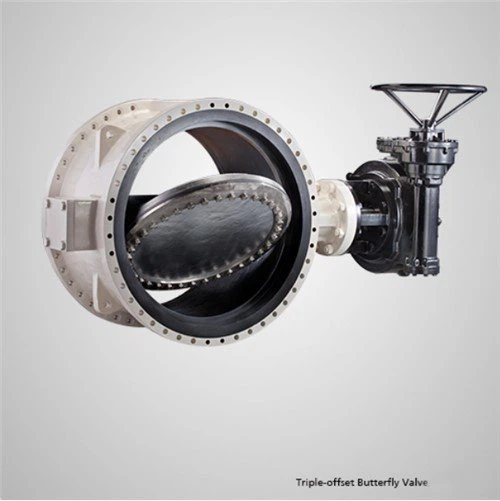
Centre-pivoted Butterfly Valve If you are in the market for plug valves or need more information on how to prevent leakage, I encourage you to reach out to us for a procurement discussion. We have a team of experts who can help you select the right valve for your specific application and provide you with the best solutions.
References
- ASME B16.34 – Valves – Flanged, Threaded, and Welded End.
- API 6D – Specification for Pipeline Valves.
- Manufacturer’s manuals for plug valves.
Zhejiang Sunawei Valve Co., Ltd.
As one of the most professional plug valve manufacturers and suppliers in China, we offer a wide range of valves with superior quality. Please feel free to wholesale high quality plug valve at competitive price from our factory. We also accept customized orders.
Address: Anfeng Industrial, Oubei Town, Wenzhou City, Zhejiang, China
E-mail: snv@sunawevalve.com
WebSite: https://www.sunay-valves.com/
