Yo, what’s up everyone! I’m a supplier of elevator contactors, and today I wanna chat about a super important topic: the setting value of the under – voltage protection of an elevator contactor. Elevator Contactor

First off, let’s talk about why under – voltage protection is such a big deal for elevator contactors. Elevator contactors are like the heart of an elevator’s electrical system. They control the flow of electricity to different parts of the elevator, making sure it runs smoothly and safely. When the voltage drops below a certain level, it can cause all sorts of problems. The contactor might not be able to close properly, which can lead to a loss of power to the elevator, or it could cause the contacts to overheat and wear out faster. That’s where under – voltage protection comes in. It’s there to prevent these issues and keep the elevator running as it should.
So, what’s the right setting value for under – voltage protection? Well, it’s not a one – size – fits – all answer. There are a bunch of factors that can affect this value.
One of the main factors is the type of elevator system. Different elevator systems have different power requirements and operating conditions. For example, a high – rise elevator that has to carry a large number of passengers over long distances will have different power needs compared to a small elevator in a low – rise building. A high – rise elevator might need a more sensitive under – voltage protection setting because even a small drop in voltage could have a big impact on its operation.
The power supply quality in the area where the elevator is installed also matters. In some places, the power grid might be more stable, with fewer voltage fluctuations. In other areas, there could be frequent power outages or voltage sags. If the power supply is unstable, you might need to set the under – voltage protection at a higher level to prevent the contactor from tripping too often.
Another thing to consider is the age and condition of the elevator contactor itself. An older contactor might be more sensitive to voltage changes, so you might need to adjust the under – voltage protection setting accordingly. If the contactor has been used for a long time, its contacts might be worn out, and it could be more prone to problems when the voltage drops.
Now, let’s get into some general guidelines for setting the under – voltage protection. Usually, the under – voltage protection setting for an elevator contactor is set between 70% and 85% of the rated voltage. For example, if the rated voltage of the contactor is 220V, the under – voltage protection might be set between 154V (70% of 220V) and 187V (85% of 220V).
But these are just rough guidelines. You really need to do some testing and analysis to find the best setting for your specific elevator system. You can start by looking at the manufacturer’s recommendations. The people who made the contactor usually have some good insights into what the optimal under – voltage protection setting should be.
You can also use some monitoring equipment to measure the voltage fluctuations in the elevator system over a period of time. This will give you a better idea of how the voltage behaves and help you set the under – voltage protection more accurately.
As a supplier of elevator contactors, I’ve seen a lot of different situations. Sometimes, customers come to me with problems related to under – voltage protection. They might say that the contactor keeps tripping, or that the elevator has been having some strange issues that they think are related to voltage drops.
In these cases, I usually work with them to figure out what’s going on. We start by checking the under – voltage protection setting. Sometimes, it turns out that the setting is too low, and the contactor is tripping because of normal voltage fluctuations. Other times, the setting is too high, and the contactor isn’t getting enough protection when the voltage really drops.
Once we’ve determined the right setting, we make the necessary adjustments. And most of the time, the problems go away. The elevator starts running smoothly again, and the customer is happy.
I also offer some advice on how to maintain the elevator contactor to ensure that the under – voltage protection works effectively. Regular inspections are a must. You need to check the contacts for signs of wear and tear, and make sure that the wiring is in good condition. Any loose connections or damaged wires can affect the performance of the contactor and the under – voltage protection.
Cleaning the contactor is also important. Dust and dirt can build up on the contacts, which can cause poor electrical conductivity and lead to problems. You can use a clean, dry cloth to wipe the contacts and keep them clean.
If you’re in the market for elevator contactors, or if you’re having issues with the under – voltage protection of your existing contactors, don’t hesitate to reach out. I’ve got a wide range of high – quality elevator contactors that are designed to work well in different elevator systems. And I’m always here to help you figure out the right under – voltage protection setting for your specific needs. Whether you’re a building owner, an elevator maintenance technician, or someone involved in the elevator industry, I can provide you with the products and support you need.
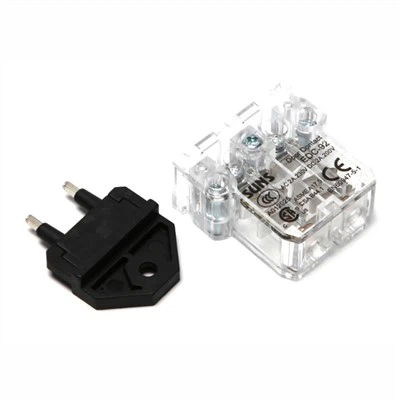
So, if you’re interested in learning more or want to discuss your elevator contactor requirements, just drop me a line. Let’s work together to make sure your elevator runs safely and efficiently.
Escalator Chain References:
- Electrical Engineering Handbook for Elevator Systems
- Manufacturer’s Manuals for Elevator Contactors
Sanjin Elevator Parts Co., Ltd.
Sanjin Elevator Parts Co., Ltd. is one of the most professional elevator contactor manufacturers and suppliers in China, featured by quality products and good service. Please rest assured to buy or wholesale high-grade elevator contactor at competitive price from our factory.
Address: 18th Floor, Xinyuan Center, Fenghe Road, Xi’an, Shaanxi, China
E-mail: elevatorparts@westdt.com
WebSite: https://www.sanjinelevator.com/
