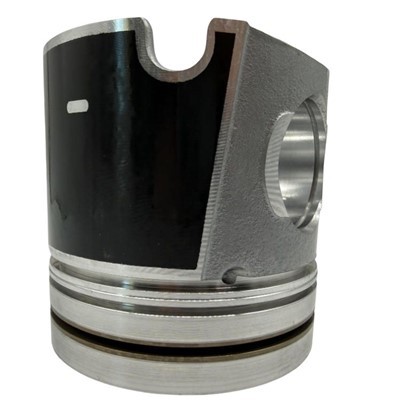
In the realm of diesel engine technology, the piston stands as a fundamental and indispensable component. Throughout my tenure as a piston supplier, I’ve witnessed firsthand the significance of pistons in the efficient operation of diesel engines. This blog post aims to delve into the multifaceted roles of a piston within a diesel engine, shedding light on its critical functions and the impact it has on overall engine performance. Piston
The Basics of a Diesel Engine
Before we explore the role of the piston, it’s essential to understand the basic principles of a diesel engine. Unlike gasoline engines, which use a spark plug to ignite the air – fuel mixture, diesel engines rely on the heat generated by compressing air in the combustion chamber. During the intake stroke, air is drawn into the cylinder. As the piston moves upward during the compression stroke, the air is compressed to a high pressure and temperature. Then, fuel is injected into the hot, compressed air, causing it to ignite spontaneously, and generating power during the power stroke. Finally, the exhaust stroke expels the burned gases from the cylinder.
The Role of the Piston in Intake and Compression
Intake Stroke
The piston plays a key role in the intake stroke. As the piston moves downward from the top – dead – center (TDC) towards the bottom – dead – center (BDC), it creates a partial vacuum within the cylinder. This pressure differential allows fresh air to be drawn into the combustion chamber through the intake valve. The piston’s smooth and efficient movement during this stroke is crucial for maximizing the amount of air that enters the cylinder. A well – designed piston, with proper dimensions and a smooth surface finish, ensures minimal air intake restrictions.
Compression Stroke
Once the intake valve closes, the piston begins its upward journey from BDC towards TDC for the compression stroke. The piston compresses the air inside the cylinder to a high pressure and temperature. In a typical diesel engine, the compression ratio can range from 14:1 to 22:1, meaning that the air is compressed to a fraction of its original volume. The ability of the piston to withstand the high pressures and temperatures generated during compression is of utmost importance. Pistons used in diesel engines are usually made from high – strength materials such as aluminum alloys or cast iron. These materials can handle the mechanical stress and thermal loads without deforming or failing.
The Role of the Piston in Combustion and Power Generation
Combustion
When the piston reaches TDC at the end of the compression stroke, the air in the cylinder is at its maximum pressure and temperature. At this point, fuel is injected into the hot, compressed air. The piston’s shape and design can significantly influence the combustion process. Many diesel engine pistons have a bowl – shaped cavity in the top surface. This bowl helps to create a swirling motion of the air – fuel mixture, promoting better mixing and more efficient combustion. A well – designed piston bowl can enhance the atomization of the injected fuel, leading to a more complete and rapid combustion process, which in turn increases engine power and efficiency.
Power Stroke
After the fuel ignites, the rapid expansion of the burning gases exerts a high pressure on the top of the piston. This pressure forces the piston downward from TDC towards BDC, converting the thermal energy of combustion into mechanical energy. The piston transfers this force to the connecting rod, which then drives the crankshaft. The smooth and efficient movement of the piston during the power stroke is essential for generating the maximum amount of power from the combustion process. Any irregularities in the piston’s motion, such as excessive friction or wear, can lead to a loss of power and reduced engine efficiency.
The Role of the Piston in Exhaust
Exhaust Stroke
As the piston reaches BDC at the end of the power stroke, the exhaust valve opens. The piston then moves upward from BDC towards TDC again, pushing the burned gases out of the cylinder through the exhaust valve. The piston’s ability to efficiently expel the exhaust gases is important for the proper functioning of the engine. A well – designed piston can help to minimize the amount of residual exhaust gases left in the cylinder, which is crucial for ensuring a fresh charge of air can enter during the next intake stroke.
Piston Sealing and Lubrication
Sealing
Pistons are equipped with piston rings, which play a vital role in sealing the combustion chamber. The piston rings create a tight seal between the piston and the cylinder wall, preventing the high – pressure combustion gases from leaking into the crankcase. This not only ensures that the maximum amount of pressure is applied to the piston during the power stroke but also prevents oil from entering the combustion chamber. Good sealing performance of the piston rings is essential for maintaining engine efficiency, reducing emissions, and preventing oil consumption.
Lubrication
The piston and the cylinder wall are subject to high – speed sliding contact and high temperatures. Proper lubrication is necessary to reduce friction and wear between these two components. The piston is designed to work in conjunction with the engine’s lubrication system. Oil is sprayed onto the underside of the piston and the cylinder wall, forming a thin lubricating film. The piston’s surface finish and design are carefully engineered to optimize the distribution of the lubricating oil, ensuring smooth operation and long – term durability.
The Impact of Piston Quality on Diesel Engine Performance
As a piston supplier, I understand the critical role that piston quality plays in diesel engine performance. High – quality pistons are manufactured to precise tolerances, ensuring a perfect fit within the cylinder. This not only improves the sealing performance but also reduces friction and wear. Additionally, using advanced materials and manufacturing techniques can enhance the piston’s ability to withstand high temperatures and pressures, resulting in a more reliable and efficient engine.
A poorly designed or low – quality piston can lead to a variety of problems, such as reduced power output, increased fuel consumption, higher emissions, and premature engine wear. For example, if the piston rings do not seal properly, combustion gases can leak into the crankcase, diluting the engine oil and causing excessive wear on engine components. Similarly, if the piston is made from a material that cannot handle the high thermal loads, it may crack or deform, leading to engine failure.
Conclusion

In summary, the piston is a central component in a diesel engine, playing multiple crucial roles throughout the engine’s operating cycle. From intake and compression to combustion, power generation, and exhaust, the piston’s performance directly influences the efficiency, power output, and reliability of the diesel engine. As a piston supplier, I am committed to providing high – quality pistons that meet the demanding requirements of modern diesel engines. Our pistons are designed and manufactured using the latest technologies and materials, ensuring optimal performance and long – term durability.
DEUTZ Piston If you are in the market for high – quality pistons for your diesel engines, I encourage you to reach out to discuss your specific requirements. Our team of experts is ready to provide you with the best solutions and support. Whether you are an engine manufacturer, a repair shop, or a distributor, we can offer pistons that are tailored to your needs. Contact us to start a conversation about how we can be a reliable piston supplier for your business.
References
- Stone, R. (2012). Introduction to Internal Combustion Engines. Society of Automotive Engineers.
- Heywood, J. B. (1988). Internal Combustion Engine Fundamentals. McGraw – Hill Education.
Hebei Yuwei Piston Co., Ltd.
As one of the most professional piston manufacturers and suppliers in China, we’re featured by quality products and good service. Please rest assured to buy customized piston made in China here from our factory. Also, quotation is available.
Address: Beizhujiacun Village, Sujiuzhuang Town, Ningjin County, Xingtai City, Hebei Province
E-mail: jack@ywpiston.com
WebSite: https://www.ywpiston.com/
