As a reputable supplier of flexible PVC hoses, I’ve encountered numerous situations where customers face the challenge of damaged hoses. Repairing a damaged flexible PVC hose is not only a cost – effective solution but also an environmentally friendly approach. In this blog, I’ll share some practical tips on how to repair a damaged flexible PVC hose based on my years of experience in the industry. Flexible PVC Hose

1. Assessing the Damage
Before you start any repair work, it’s crucial to conduct a thorough inspection of the damaged hose. This step will help you determine the appropriate repair method.
- Minor Cuts and Abrasions: These are often the most common types of damage. Minor cuts are usually less than half the thickness of the hose wall, while abrasions are surface – level scratches. They can occur due to friction with rough surfaces or accidental contact with sharp objects during handling or installation.
- Holes and Punctures: Holes can be caused by various factors such as being punctured by a nail or a sharp tool. Punctures are typically small, circular holes, and they can lead to leaks if not repaired promptly.
- Cracks and Splits: Cracks can develop over time due to exposure to extreme temperatures, UV radiation, or chemical substances. Splits are more severe forms of cracks, often extending along the length of the hose and can cause significant leakage.
2. Gathering the Necessary Tools and Materials
Once you’ve identified the type of damage, gather the tools and materials you’ll need for the repair.
- For Minor Cuts and Abrasions
- PVC repair tape: This tape is specifically designed for PVC materials and provides a quick and easy solution for covering minor damage. It has good adhesion and can withstand the pressure and movement of the hose.
- Sandpaper: Use fine – grit sandpaper to smooth the edges of the cut or abrasion. This helps the tape adhere better.
- For Holes and Punctures
- PVC patch kit: These kits usually include a patch and an adhesive. The patch is made of PVC material that matches the hose, and the adhesive is strong enough to bond the patch to the damaged area.
- Scissors: To cut the patch to the appropriate size.
- Cleaner: A mild cleaner to wipe the area around the hole or puncture before applying the patch.
- For Cracks and Splits
- PVC solvent cement: This is a strong adhesive that chemically bonds the PVC materials together. It’s suitable for more severe damage.
- Clamps: To hold the cracked or split area together while the cement dries.
- Measuring tape: To ensure that the damaged area is properly aligned before applying the cement.
3. Repairing Minor Cuts and Abrasions
Follow these steps to repair minor cuts and abrasions:
- Prepare the Surface: Use the fine – grit sandpaper to gently sand the area around the cut or abrasion. This creates a rough surface for better tape adhesion. Wipe away any dust or debris with a clean cloth.
- Apply the PVC Repair Tape: Start at one end of the damaged area and carefully apply the tape, stretching it slightly as you go. Make sure the tape covers the entire cut or abrasion with at least an inch of overlap on each side. Smooth out any air bubbles or wrinkles in the tape.
- Secure the Tape: Press firmly on the tape to ensure a good bond. You can also use a roller or your fingers to apply even pressure.
4. Fixing Holes and Punctures
The process for fixing holes and punctures is as follows:
- Clean the Area: Use a mild cleaner to wipe the area around the hole or puncture. This removes any dirt, oil, or debris that could affect the adhesion of the patch. Allow the area to dry completely.
- Cut the Patch: Using scissors, cut a patch from the PVC patch kit. The patch should be at least an inch larger than the hole or puncture on all sides.
- Apply the Adhesive: Follow the instructions on the adhesive in the patch kit. Apply a thin, even layer of adhesive to both the back of the patch and the area around the hole or puncture.
- Attach the Patch: Carefully place the patch over the hole or puncture, aligning it properly. Press down firmly on the patch to ensure a good bond. Use a roller or your fingers to apply even pressure.
- Let it Dry: Allow the adhesive to dry completely according to the manufacturer’s instructions. This usually takes a few hours.
5. Repairing Cracks and Splits
Here’s how to repair cracks and splits:
- Prepare the Hose: Use a measuring tape to ensure that the two sides of the crack or split are properly aligned. If necessary, use a clamp to hold the hose in place.
- Clean the Area: Wipe the area around the crack or split with a mild cleaner and let it dry.
- Apply the PVC Solvent Cement: Apply a thin layer of PVC solvent cement to both sides of the crack or split. Make sure to cover the entire damaged area.
- Join the Sides: Press the two sides of the crack or split together firmly. Use additional clamps to hold the hose in place while the cement dries.
- Let the Cement Cure: Allow the cement to cure for the recommended time. This can take up to 24 hours, depending on the type of cement and the environmental conditions.
6. Testing the Repaired Hose
After completing the repair, it’s essential to test the hose to ensure that the repair is effective.
- Pressure Test: If the hose is used for a pressurized system, apply a low – pressure test. For example, if it’s a water hose, turn on the water at a low pressure and check for any leaks at the repaired area.
- Visual Inspection: Look closely at the repaired area for any signs of leakage or separation. If you notice any issues, you may need to repeat the repair process.
7. Preventive Maintenance
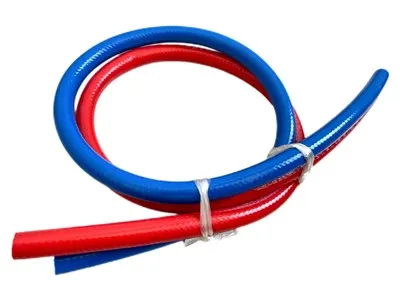
To avoid future damage to your flexible PVC hoses, consider the following preventive maintenance tips:
- Proper Installation: Ensure that the hose is installed correctly. Avoid sharp bends or kinks, as these can cause stress on the hose and lead to damage over time.
- Storage: When not in use, store the hose in a cool, dry place away from direct sunlight and sharp objects. UV radiation can cause the PVC to degrade, and sharp objects can puncture the hose.
- Regular Inspection: Periodically inspect the hose for signs of wear and tear. Early detection of minor damage can prevent more severe problems in the future.
Flat Hose As a reliable supplier of flexible PVC hoses, I’m always committed to providing high – quality products and useful after – sales support. If you have any questions about hose repair or are interested in purchasing our flexible PVC hoses, please feel free to contact us for further discussion. We can offer you professional advice and the best solutions for your specific needs.
References
- "PVC Hose Handbook" – A comprehensive guide on the properties and maintenance of PVC hoses.
- Industry – specific technical manuals on hose installation and repair.
Weifang Xinzhiyuan Plastic Co., Ltd.
As one of the most experienced flexible pvc hose manufacturers and suppliers in China, we offer a wide range of products with superior quality. Please feel free to wholesale premium flexible pvc hose made in China here from our factory. We also accept customized orders.
Address: No. 700, Tongle Street, Economic Development Zone, Changle County, Weifang City, Shandong Province
E-mail: hua@xzypvchose.com
WebSite: https://www.pvchose-xzy.com/
