Hey there! As a supplier of liquefaction storage equipment, I’ve been thinking a lot about the upgrade possibilities for our gear. It’s a super important topic, not just for us but for all the folks who rely on this equipment to store and manage liquefied substances. Liquefaction Storage Equipment

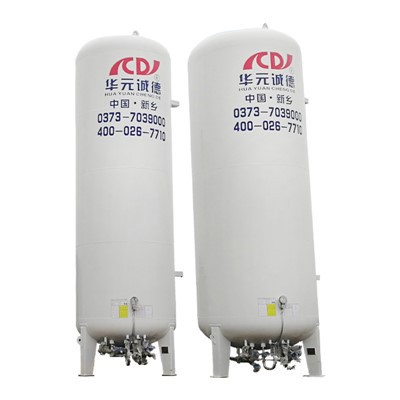
First off, let’s talk about what liquefaction storage equipment is all about. We’re dealing with stuff like cryogenic tanks, which are used to store liquefied gases at extremely low temperatures, and pressure vessels for substances that need to be kept under high pressure. These are the workhorses of industries like oil and gas, chemical manufacturing, and food and beverage.
One of the big upgrade possibilities lies in improving the insulation of cryogenic tanks. Right now, our tanks use pretty good insulation materials, but there’s always room for improvement. Newer insulation technologies can reduce heat transfer even more, which means less energy is needed to keep the liquefied gas at the right temperature. This not only saves money on energy bills but also reduces the environmental impact of the storage process.
For example, some companies are starting to use aerogel insulation in their cryogenic tanks. Aerogel is an incredibly lightweight and porous material that has excellent insulating properties. It’s like a super – efficient thermal blanket for our tanks. If we can upgrade our tanks to use aerogel, we can make them more energy – efficient and cost – effective in the long run.
Another area where we can make upgrades is in the monitoring and control systems of our liquefaction storage equipment. In the past, we’ve relied on traditional sensors and control panels. But now, with the rise of the Internet of Things (IoT), we can do so much better.
We can install smart sensors on our tanks and pressure vessels. These sensors can collect real – time data on things like temperature, pressure, and液位 (I’ll just say "liquid level" in English here, it’s like the amount of liquid in the tank). The data can be sent wirelessly to a central control system, where operators can monitor it from anywhere in the world using a smartphone or a computer.
This kind of remote monitoring is a game – changer. It allows us to detect potential problems early, like a small leak or a temperature spike, and take action before it turns into a major issue. It also means that we can optimize the operation of our equipment based on real – time data, which leads to better efficiency and lower maintenance costs.
In terms of safety, there are also some great upgrade possibilities. Our current safety systems are pretty solid, but we can always improve. For instance, we can add more advanced fire and explosion prevention systems. Some new technologies use infrared sensors to detect the presence of flammable gases in the air. If a potential hazard is detected, the system can automatically shut off the equipment and activate emergency response measures.
We can also upgrade the structural integrity of our storage equipment. With new materials and manufacturing techniques, we can make our tanks and vessels stronger and more resistant to corrosion. For example, using high – strength steel alloys or fiberglass – reinforced plastics can increase the lifespan of our equipment and reduce the risk of leaks or failures.
When it comes to the software side of things, we can develop more user – friendly and intelligent software for our control systems. The current software gets the job done, but it can be a bit cumbersome to use. We can create intuitive interfaces that make it easier for operators to monitor and control the equipment. And by using artificial intelligence algorithms, the software can learn from past data and make predictions about future performance, which helps in better planning and maintenance.
Let’s not forget about the environmental aspect. As more and more companies are looking to reduce their carbon footprint, we can upgrade our equipment to be more eco – friendly. One way is to use renewable energy sources to power the equipment. For example, we can install solar panels on the roofs of our storage facilities to generate electricity for the monitoring and control systems. This not only reduces the reliance on fossil fuels but also shows our commitment to sustainability.
Another environmental upgrade is to improve the efficiency of the liquefaction process itself. By using advanced refrigeration cycles and heat exchangers, we can reduce the energy consumption during the liquefaction process, which in turn reduces greenhouse gas emissions.
Now, I know all these upgrades sound great, but you might be wondering about the cost. It’s true that upgrading liquefaction storage equipment can be a significant investment. However, the long – term benefits far outweigh the initial costs. The energy savings, reduced maintenance, and improved safety can lead to substantial cost savings over the life of the equipment.
If you’re in the market for liquefaction storage equipment or thinking about upgrading your existing gear, I’d love to have a chat with you. We can discuss your specific needs, and I can show you how our upgrade options can work for you. Whether you’re a small – scale operation or a large industrial giant, we have solutions that can fit your requirements.
Don’t hesitate to reach out and start a conversation about procurement. We’re here to help you get the most out of your liquefaction storage equipment and make your operations more efficient, safe, and sustainable.
Large Scale Air Separation Unit References:
- Industry reports on liquefaction storage technology advancements
- Research papers on insulation materials for cryogenic applications
- Articles on IoT integration in industrial equipment monitoring
Xinxiang Jiale Intelligent Equipment Co., Ltd.
As one of the leading liquefaction storage equipment manufacturers and suppliers in China, we also support customized service. Please feel free to buy high quality liquefaction storage equipment for sale here from our factory. Contact us for more details.
Address: No.3913, 9th Floor, Unit 3, East Commercial and Office Complex, Baolong City Plaza, Hongqi District, Xinxiang City, Henan Province, China
E-mail: cc2397410@gmail.com
WebSite: https://www.jialeasu.com/
