Hey guys, let’s cut to the chase—if you’re deep in the food processing game and lately you’ve been thinking, “Wait, can my industrial door geared motor even work in this crazy, washdown-heavy, strict-regs space?” you’re not alone. I’ve been on the supplier side of these motors for 8 years, and let’s be real: I’ve gotten at least a dozen panicked calls a week from plant managers, maintenance leads, even kitchen ops heads who’re staring at a faulty old door motor, or eyeing a new setup, and wondering if it’ll pass food safety checks. No fluff here—let’s break this down like we’re geeking out over a piece of equipment that actually matters for your line. Industrial Door Geared Motor
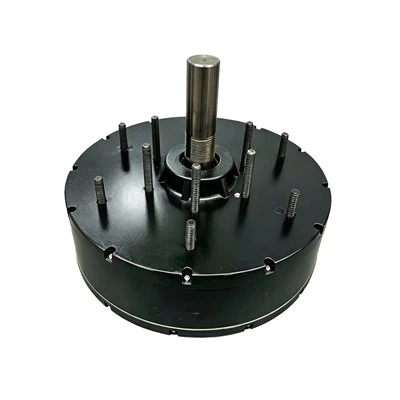
First, let’s get one thing straight: not all geared motors are created equal. The garbage ones you might’ve grabbed from a random hardware store for a loading dock door? Total no-go for food processing. But the right industrial door geared motor? It’s actually tailor-made for this environment if you spec it right. Let’s start with the big, obvious no-nos that trip people up. Food processing plants are messy—like, “spilled soy sauce, flour dust, sanitizer splashes everywhere” messy. Most standard geared motors have gaps, seams, or open vents where crud gets trapped. That crud can breed bacteria, right? And if it’s food-contact adjacent? Yeah, that’s a cross-contamination risk that’ll get you hit with an FDA warning faster than you can reheat a frozen pizza. Also, sanitizers aren’t gentle—bleach, acid-based cleaners, those eat through cheap paint and unsealed metal. A standard motor’s coating will flake off in weeks, leaving bare steel that rusts. Rust? Also a big food safety red flag.
Now, what makes an industrial door geared motor food-safe? Let’s talk materials first. We don’t mess around here—we use 304 or 316 stainless steel for everything that’s not the motor windings or internal gears. 304 is the workhorse, great for most washdowns, 316 is for stuff where you’re using super harsh cleaners or dealing with salty foods, like a seafood processing plant. The housing is fully sealed, no open vents, no exposed fasteners that can hold gunk. All the screws and bolts are hex-head cap screws that are recessed, or even one-way tamper-proof (but still easy to remove for maintenance—key, because you can’t have a motor that’s a nightmare to fix). The gearbox? It’s sealed too, with food-grade lubricants. Wait, that’s huge—most standard motors use regular grease that’s toxic if it leaks. Food-grade lubricants are NSF H1 registered, meaning they’re safe for incidental food contact. If a tiny bit seeps out when the gearbox heats up after 100 door cycles, it won’t make a pallet of salad dressing go bad. That’s non-negotiable.
Next, design for operation in food processing. Your industrial doors—whether they’re dock levelers, roll-up doors for walk-in freezers, or swing doors for a processing line—are moving all day, every day, in these plants. Freezers are a whole other beast: -20°F to -40°F, regular condensation, salt from ice melt if it’s a loading dock. A standard motor will seize up in that cold, or the plastic parts will crack. The right industrial door geared motor has cold-rated lubricants, rubber seals that don’t get brittle in low temps, and even windings that are insulated to handle temperature swings. And let’s talk about speed and torque—you need a motor that can open a 1000lb dock door fast enough that your line doesn’t back up, but slow enough that it doesn’t slam into the frame and create metal shavings. Shavings in your chicken nuggets? Or your chocolate? Yeah, that’s a recall waiting to happen. We spec our motors so they have precise torque control, no sudden stops or starts, so you avoid that kind of damage.
Wait, but let’s get real—there are actually some food processing plants where you don’t even need a full “food-grade” motor, right? Like, a small bakery that only does dry goods, no wet washing every day. If your door is for a storage area where you don’t have constant splashes, a standard industrial door geared motor might be okay, but you still need to do the basics: seal the vents, re-coat the housing with food-safe epoxy every few months, make sure it’s easy to wipe down. But I’ll be honest—we’ve had clients who tried cutting corners on this and ended up with E. coli scares, or a OSHA fine because a rusted motor part fell into a mixing vat. So why risk it? The extra cost of a properly food-rated motor is way less than a recall that costs millions, or getting shut down for non-compliance.
Let’s talk about real client examples, because numbers and stories hit different. Last year, we hooked up a mid-sized frozen pizza plant outside Chicago. Their old dock doors had these cheap motors that would seize up every 6 months, and the maintenance team was spending 10+ hours a week tearing them apart, scrubbing rust, re-greasing. Plus, they’d had a scare when a bit of regular motor grease dripped onto a batch of pepperoni. They switched to our 304 stainless steel washdown-rated industrial door geared motors, and guess what? No more seizing—we lubricate the gears once a year, tops. The maintenance time dropped to 2 hours a quarter, and they haven’t had a grease issue in 18 months. Another client: a seafood processing plant in Maine. They use 316 stainless motors because they’re constantly hosing down the floor with salt water. Their old motors would corrode so bad in a year that the housing would crack, letting salt and bacteria get inside. Now their motors are going on 3 years, no corrosion, no issues with the health inspectors coming through.
Wait, what about compliance? Because every food plant in the US has to follow FDA 21 CFR Part 11, right? Or if you’re exporting, EU 1935/2004. The right industrial door geared motor will come with documentation that proves the materials are food-safe, the lubricants are NSF registered, and the design meets IP67 or IP69K ratings. IP67 means it’s fully submersible in water, IP69K means it can handle high-pressure hot water washing, like those industrial sprayers you see in plants. If your motor doesn’t have that IP rating, a quick washdown and it’s toast. That’s non-negotiable for any food processing environment that uses regular washdowns.
Now, let’s clear up a common myth: “I can just get a regular motor and wrap it in plastic to protect it.” Yeah, that works for a month, maybe two. Plastic breaks, especially when you’re dealing with chemicals and UV light from overhead lights in the plant. It can tear, leaving gaps where gunk gets in. And if you have to work on the motor, you have to yank the plastic off, which is a hassle. The integrated design of a purpose-built industrial door geared motor for food processing is way more reliable, and easier to keep clean—you can just wipe it down with a cloth and sanitizer, no fancy wrapping needed.
Another thing: maintenance access. Food plant maintenance teams are swamped, they don’t have time to fix a motor that requires specialty tools. The right motor has easy-to-remove covers, so you can get to the gears and windings without taking the whole unit apart. We design ours so that even a part-time maintenance guy can swap out a seal if needed, no engineering degree required. That’s a big win for plants that don’t have a full-time motor specialist on staff.
Wait, what about cost? Let’s do the math. A standard industrial door geared motor is maybe $300. A food-rated one is $600, so twice as much. But how much does that recall cost? The FDA says the average food recall costs $10 million, not including brand damage. How much is downtime? A food plant that’s shut down for a week loses way more than the difference between a standard and food-rated motor. Plus, the maintenance labor savings—like the Chicago pizza plant, they were paying a guy $25 an hour to fix motors 10 hours a week, that’s $13,000 a year, plus parts. The food motor cost difference is $300, so you make that back in like 2 weeks, and you’re not risking regulatory fines.
Now, let’s talk about edge cases. What about a plant that does raw meat vs. a plant that does ready-to-eat cereals? Ready-to-eat (RTE) plants have way stricter rules, right? So a RTE plant needs the full food-grade motor, no exceptions. Raw meat plants are a bit more lenient, but still need motors that can handle heavy washdowns and not shed metal or grease. What about cold storage doors? Like I mentioned earlier, the cold-rated motors are a must. Regular motors can’t handle the temperature swings, so they’ll die way faster. We have a line specifically for freezer and cooler environments, with special lubricants and seals that don’t get brittle.
Is there any scenario where you shouldn’t use a food-rated industrial door geared motor? Probably not, honestly. Even small operations, like a craft bakery that has a dock door, would be way better off with a properly rated motor than a cheap one that’ll cause issues down the line. The only time you might be okay is if you have a tiny, low-use door that’s never washed, and only used for non-food storage, but even then, why risk it? A $600 motor is a drop in the bucket for peace of mind.
Okay, let’s wrap this up. So to answer the original question: Yes, you absolutely can use an industrial door geared motor in a food processing environment, but only if you spec the right one—food-grade materials, sealed housing, NSF H1 lubricants, high IP ratings, cold-rated options for freezers, and compliance with FDA/EU food safety standards. Cut corners on that, and you’re setting yourself up for maintenance headaches, regulatory issues, or worse, food safety incidents that can put you out of business.
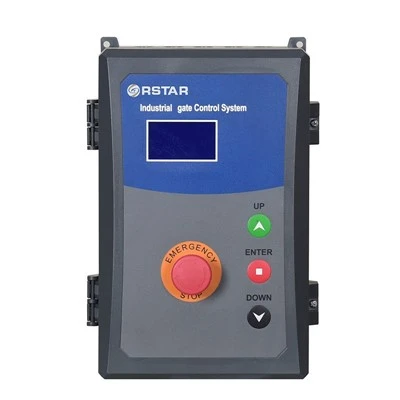
If you’re in the food processing space right now, and you’re dealing with old motors that are seizing up, leaking grease, or just not passing inspection, we can hook you up. We’ll walk through your door type, your environment (freezer? RTE plant? Seafood?), and spec the exact motor you need, no upselling, no fluff. We’ll even provide all the compliance docs you need for your health inspector. Don’t wait for a problem to hit—swap out that old motor before it’s a nightmare.
Industrial Fan Regulator References
Food and Drug Administration. (2023). CFR Title 21, Part 11 – Electronic Records; Electronic Signatures. National Archives and Records Administration.
National Sanitation Foundation. (2022). NSF/ANSI Standard 169 for Food Equipment Materials. NSF International.
International Electrotechnical Commission. (2021). IEC 60529: Degrees of Protection Provided by Enclosures (IP Code). International Electrotechnical Commission.
Occupational Safety and Health Administration. (2022). Food Industry Safety and Health Guidelines. U.S. Department of Labor.
Wuxi Rstar Electric Co., Ltd.
With abundant experience, we are one of the most professional industrial door geared motor manufacturers and suppliers in China. Welcome to wholesale bulk customized industrial door geared motor at competitive price from our factory. If you have any enquiry about quotation, please feel free to email us.
Address: 9th Floor, Building 9, Shengfeng Lianzhi Valley, No.67 Zhujiang Road, Xinwu District, Wuxi City
E-mail: rstarbz@163.com
WebSite: https://www.rstar-wx.com/
